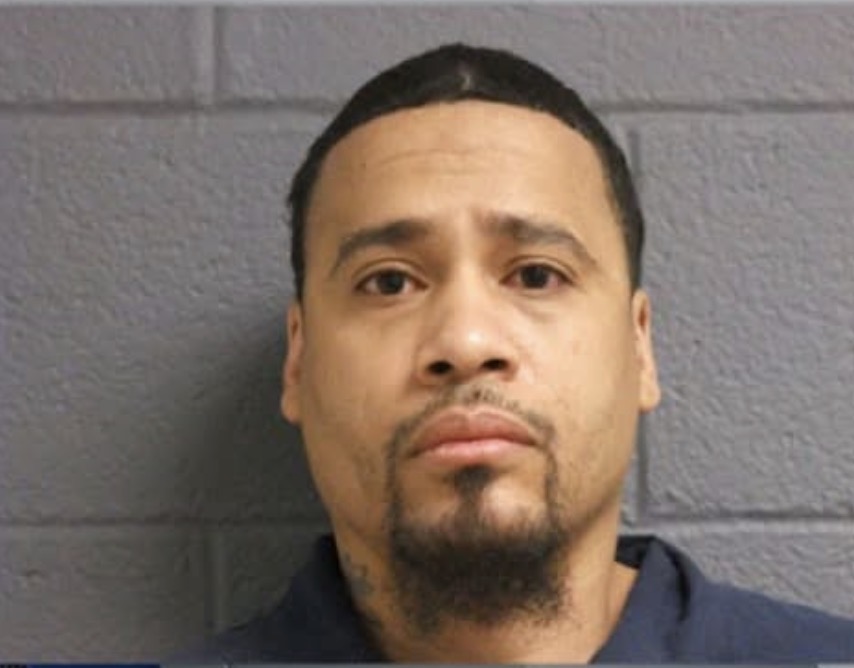
The death of Jarvis Butts in custody marks a significant development in a case that deeply impacted the Detroit community, but it does not lessen the profound loss and ongoing pain experienced by the victims and their families—particularly the family of 13-year-old Na’Ziyah Harris.
Butts, who had recently been sentenced to decades in prison for second-degree murder and multiple sexual assault convictions, died Thursday morning at the Charles Egeler Reception and Guidance Center in Jackson, Michigan. Authorities have indicated that his death is being investigated as a possible suicide, following unsuccessful lifesaving efforts by corrections staff.
While his death closes a legal chapter, it leaves unresolved anguish for many—especially given that, as part of his plea agreement, he had committed to providing information about the location of Na’Ziyah Harris’s remains, which have still not been recovered. For her family, this unanswered question continues to prolong their grief and search for closure.
Na’Ziyah Harris is remembered as a young life taken far too soon, and her loss remains at the center of this tragedy. The emotional weight of the case was evident during sentencing, where family members and survivors shared the lasting impact of the harm caused. Their voices serve as a powerful reminder that the consequences of such crimes extend far beyond the courtroom.
This case also highlights broader concerns surrounding incarceration, mental health, and custodial care. Investigations into in-custody deaths are critical not only for transparency and accountability but also for understanding systemic issues that may contribute to such outcomes.
Ultimately, while the focus may briefly turn to the circumstances of Butts’ death, it is essential that attention remains on the victims—their lives, their dignity, and the enduring grief carried by those who loved them. Justice, in its fullest sense, is not only about sentencing, but about remembrance, truth, and the ongoing support of those affected.
The Detroit community continues to grapple with the impact of this case, holding onto the memory of Na’Ziyah Harris and standing in solidarity with her family as they seek healing and, one day, closure.